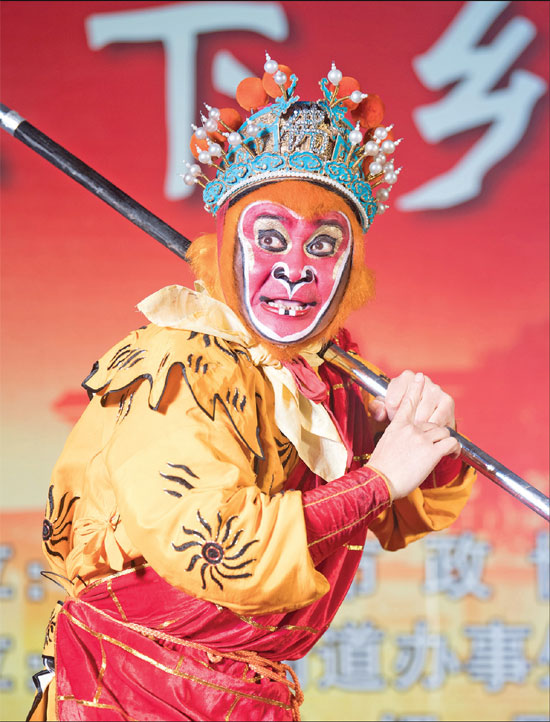
Shaoju Opera
Introduction
Shaoju Opera is a traditional Chinese opera form with a rich history spanning over 300 years. Originating from Zhejiang province, it is known for its sonorous tunes, unadorned music, and free and easy performing style. The opera encompasses both civil and military plays, with a particular emphasis on the iconic monkey-king plays.
Shaoju Opera's unique characteristics and enduring appeal have made it a significant cultural heritage in China.
Historical Development
Shaoju Opera mainly prevails in Shaoxing, Ningbo and Hangzhou cities of Zhejiang province as well as Shanghai in East China. The art form was known as Shaoxing Opera starting from 1953, for it originated in Shaoxing and is most popular in the region.
Notable Productions
Shaoju Opera has a rich repertoire of distinguished plays, including Three Attacks on the White-Bone Devil, Yu Qian, A Fight Between Dragon and Tiger, and Emperor Da Yu Harnessed the River.
International Performances
In the 1960s, the Zhejiang Shaoju Opera Troupe's performance of "Three Attacks on the White-Bone Devil" was adapted into a film and showcased in more than 70 countries, enhancing the global appreciation of Shaoju Opera. The Zhejiang Shaoju Opera Troupe has actively participated in cultural exchanges, bringing Shaoju Opera to international audiences. The troupe toured Japan in 1991. In 1994, they introduced European audiences to Shaoju Opera through performances in Denmark.
Influence and Legacy
Shaoju Opera remains an integral part of Zhejiang's cultural landscape. In addition to stage performances, Shaoju Opera has been involved in various cultural activities, including educational programs and workshops, aimed at preserving and promoting traditional opera. Events such as the "traditional opera experience" and "study activity" series have provided immersive experiences for participants, fostering a deeper appreciation for Zhejiang's operatic heritage.








